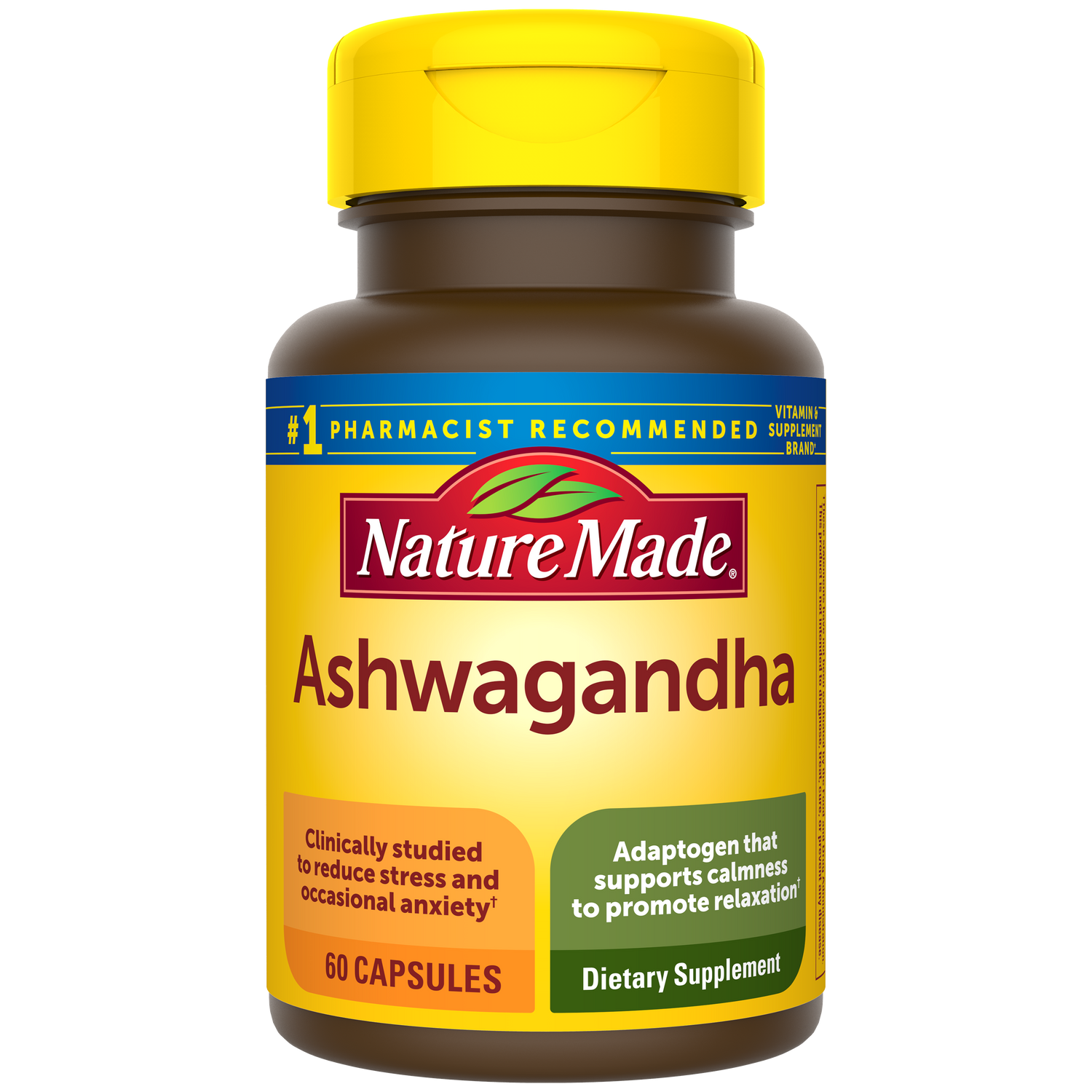
Ashwagandha's cortisol-lowering effect comes from withanolides concentrated in the root, not the leaf. The most-cited trial — Chandrasekhar 2012 — used 600mg per day of full-spectrum root extract, dosed as 300mg twice daily, over 60 days. That's the formulation that produced the measured 27.9% reduction in serum cortisol. Below that dose, or using leaf instead of root, and you've moved away from what the research tested.
Absorption is a separate problem. Withanolides are fat-soluble and get broken down by gut and liver enzymes before they reach circulation. Piperine — the active compound in black pepper — inhibits those enzymes, a mechanism well documented for other fat-soluble compounds. The cortisol trials didn't add piperine, but the pharmacology is a sound reason to include it. Of the 31 ashwagandha supplements we audited, 26 underdose the root, use leaf extract, or skip absorption support entirely.
What the label hides
Some quality brands offer organic root extract from established Ayurvedic sources but skip the piperine, so absorption depends entirely on the user taking it with fat. Others hit the dose on paper using leaf extract, the wrong part of the plant. Matching the research means getting the dose, the plant part, and absorption support right at the same time.